Vapor barrier installation in Santa Rosa CA - moisture stopped in the right place
Damp crawl space, musty smell or soft wood under the floor? We put the barrier where it stops vapor without trapping water.
Does my house need a vapor barrier, and where does it go?
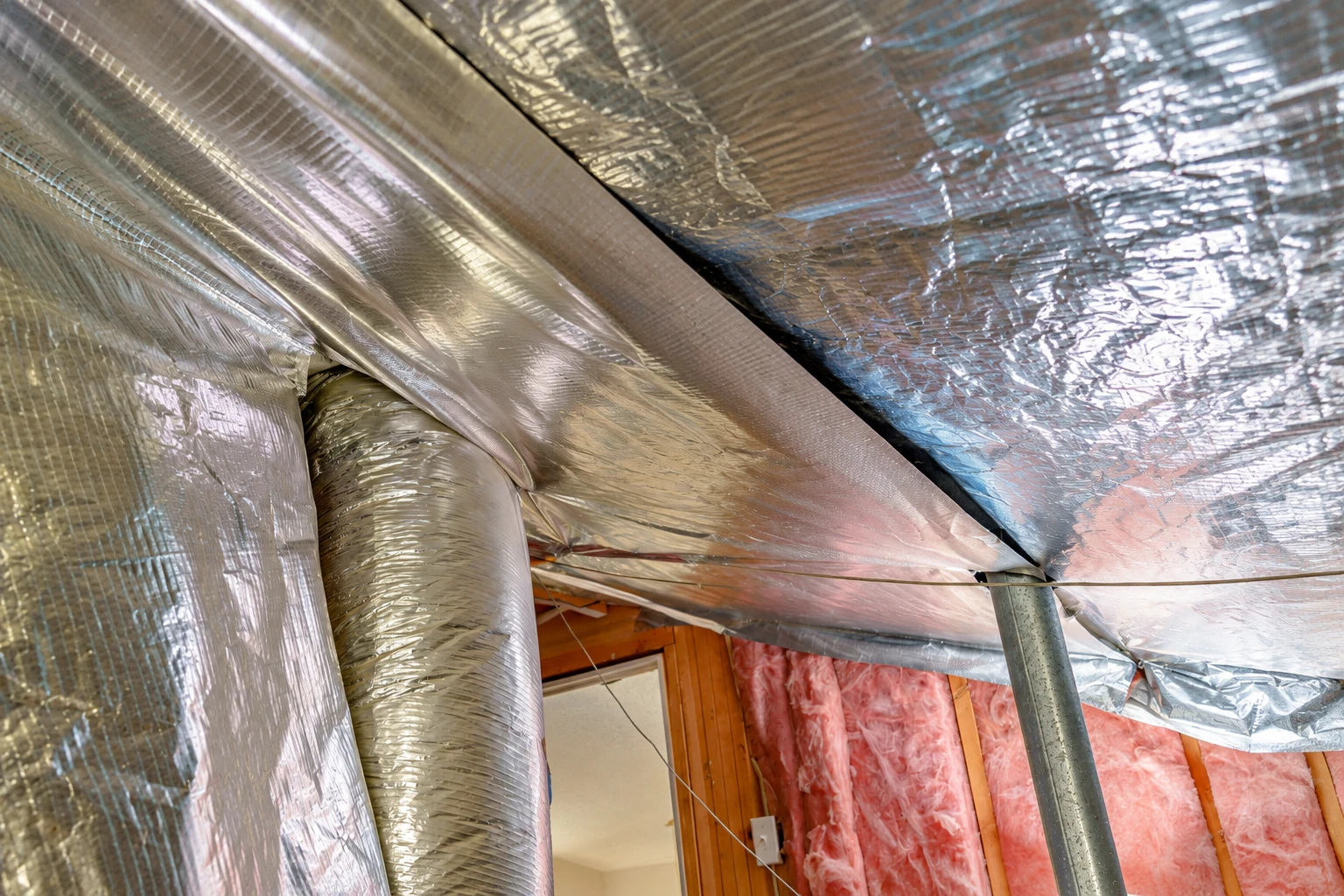
A vapor barrier, sometimes called a vapor retarder, is a layer in your house's outer shell that keeps water vapor from getting into the wall cavity, and under a house it can cover the whole crawl space floor. Vapor barrier installation in Santa Rosa is about putting that layer on the right side and in the right spot, so it protects your house instead of trapping water in it.
Most people call us about a crawl space that smells damp, floors that feel cold or a wall that's about to get new insulation, and the first question is whether a barrier belongs there at all. The price usually comes down to where the barrier goes, how much area it covers and what has to come out first, and the schedule turns on that same prep and on whether the job needs a permit. When a job needs a permit, we apply for it, set up the inspections and give you a copy of the paperwork for your records. If the work is all under the floor, our crawl space vapor barrier page goes into more detail, and your estimate is where you get the number for your own house.
How we handle vapor barrier installation
Before we add a barrier to a wall, I look at how that wall dries out, because a barrier in the wrong spot can hold moisture inside the wall instead of keeping it out. Under a house we check the crawl space for damp or soaked old insulation, droppings and soft wood first, since new material laid over a problem only hides it. Then our crew clears out what has to go, closes the gaps around pipes and posts, installs the barrier the way its maker's instructions call for and cleans up, and I walk you through what we did before we leave.
A barrier works best when the air leaks around it are closed too, so on many houses we pair it with attic air sealing around can lights, pipes and the hatch. In an older house that's getting new insulation in its walls or floors, the barrier goes in as part of retrofit insulation, so the layers end up in the right order the first time.
Why Santa Rosa homeowners call D&R Santa Rosa Spray Foam Insulation about vapor barriers
I look at your house myself
I come out to look at each job myself, and our install crew does the work with me running it on site. The person who checked your crawl space or wall is there when the barrier goes in, so you can ask me anything along the way.
Licensed and insured for permitted work
We're licensed and insured. California's licensing exemption for small jobs tops out at $1,000 and only covers work that needs no permit, done by someone with no one else working on it, so on a permitted job it's worth asking any installer about their license.
Trained on inspected city jobs
I started this business in 2023 after years on a municipal crew, insulating and air sealing city buildings that all had to get past an inspector. The city of Santa Rosa inspects building construction here, so we do the steps in order and write down what we did.
What matters most on this job is where the barrier goes, and that gets settled by looking at your house first. Call (707) 508-4085 or send us a message with where you think the barrier would go, any damp or rot you've noticed and your address.
Get a free on-site look at your vapor barrier job
Tell us where the barrier would go, any damp or rot you've seen and the address, and we'll reply within one business day to set a time. I come out myself for the estimate, which is free and done at your home, and there's no obligation to go ahead.
Vapor barrier and insulation work
What people ask about vapor barriers
Do my walls need a vapor barrier in Santa Rosa?
Not every wall does, because general building science guidance says the class of barrier depends on the climate zone and the siding, and walls in mild or hot climates need no vapor barrier at all. A barrier on the inside of a wall keeps winter moisture from condensing in it, but it can stop the wall from drying if moisture condenses there in summer, so your climate zone is the first thing to settle.
What does a crawl space vapor barrier cover?
It usually covers the whole crawl space floor. One maker's instructions cover the entire floor, overlap and tape the seams, seal around pipes and columns and run the barrier up the foundation wall, and that maker also says to check local building codes first, since some call for a different seam overlap.
What causes moisture and rot in a crawl space?
Humid outside air is a common cause, because when it's warm and humid enough it can condense as it cools inside the crawl space. That moisture can lead to rot, and a barrier is one way to protect the wood and building materials under your floor.
Who can pull the permit for vapor barrier work in Santa Rosa?
Only properly licensed contractors or owner-builders can get a building permit in Santa Rosa. The city requires a permit unless the California Building Code expressly exempts the work, and it asks owners to learn their permitting obligations on the city's building permits page before a project starts. On our jobs, we're the ones who apply.
How do I keep a crawl space vapor barrier working?
Check the seams now and then to make sure they're still secure, and tape any damage you find, which is what one barrier maker advises. A good time to look is right after someone has been down there for plumbing or wiring, because that's when sheets get pulled loose or punctured.
How much does vapor barrier installation cost in Santa Rosa?
There isn't a set price, because the job is quoted after I've seen the space. A tight crawl space with lots of pipes and posts to seal around takes more work than an open one, and wet old insulation or damaged wood adds steps before the barrier goes in. In a wall, closed-cell foam, a dense foam that blocks moisture, costs more than a sheet barrier but insulates too, so it usually only pays off when that wall needs insulation anyway.
Work that often goes with a vapor barrier
- Attic air sealing
Drafts and humid air ride up through gaps around can lights, pipes and the attic hatch, so closing them first keeps new insulation from working against a steady draft.
- Retrofit insulation
If an older house has thin or tired insulation in its walls, floors or attic, adding new material in the right order alongside a barrier saves opening things up twice.