Attic air sealing in Santa Rosa CA - fewer drafts and an attic that still breathes
Drafty rooms, a hot upstairs or a power bill that keeps climbing usually start with gaps in the attic floor. We close them.
Why is my house drafty even with insulation in the attic?
Attic air sealing in Santa Rosa closes the gaps between your attic and the rooms below, so the air you pay to heat and cool stays in your house instead of leaking up and out through the ceiling.
Most people call us about a drafty room, an upstairs that gets hot by afternoon, or a power bill that seems too high for the house. That air slips up through small openings in the ceiling, and piling more attic insulation on top won't stop it until those openings are closed. The price turns mostly on how many gaps there are and what the attic needs before we start, and the schedule turns on what my first look finds and whether the job needs a permit. Your own number comes from the on-site estimate, once I've seen the attic.
How we handle attic air sealing
I start by looking over the whole attic and writing down what's up there, because soaked old insulation, droppings or a wiring problem has to be dealt with before anything gets sealed over it. Then our crew works across the attic floor, pulling back the old insulation as we go so we can see every gap around recessed lights, plumbing pipes and wires where air from your rooms leaks up. Around flues we use fire-rated material and keep the proper spacing, since a hot flue can't have anything combustible pressed against it. We keep the soffit and ridge vents open the whole way, so the attic still breathes and moisture doesn't build up in the framing, and when we're done I can show you what we sealed.
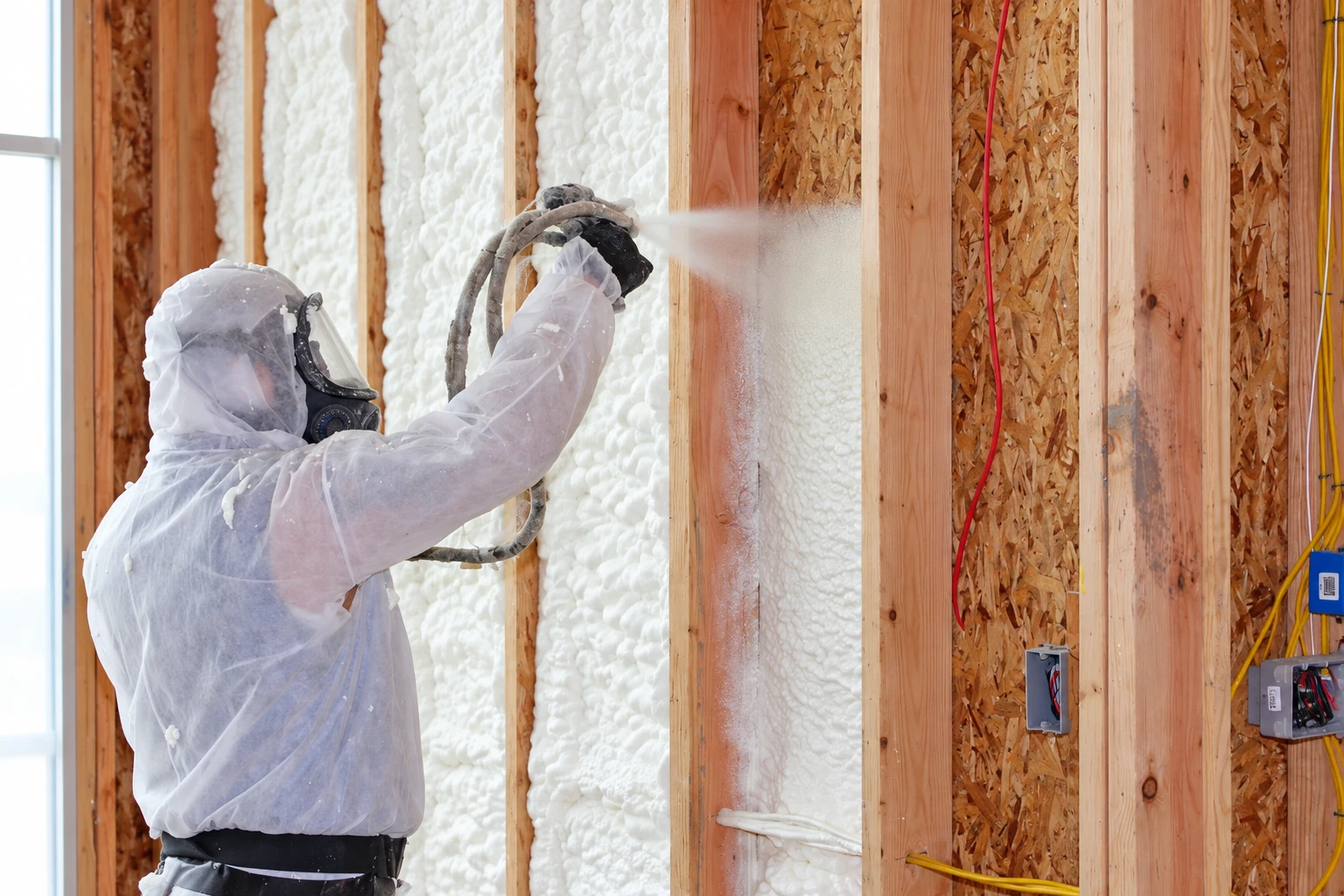
Sealing is usually the first half of a bigger job. If your attic has thin or settled insulation, retrofit insulation goes on top once the gaps are closed, so the new material isn't fighting a draft. Spray foam insulation seals and insulates in one pass but costs more, and for most attics sealing the gaps and topping up loose fill is the better buy. The exception is an attic with ductwork running through it, where foam is often worth the extra.
Why homeowners in Santa Rosa call us to seal their attics
I look at every attic myself
I come out to look at each job myself, and I'm on site running our install crew when the work gets done. The person who saw your attic and answered your questions is the one making sure the plan gets followed.
A checklist from municipal work
I learned insulation and air sealing on a municipal crew before starting this business in 2023, and every job there had to pass an inspector. We still work in order and write down what we sealed, so you know what you paid for.
Licensed and insured for Santa Rosa
We're licensed and insured. In Santa Rosa only properly licensed contractors or owner-builders can take out a building permit, so hiring a licensed crew means you aren't left pulling one yourself.
On this job the order matters most, so the first step is a look at your attic before anything gets covered up. Call (707) 508-4085 or send us a message to set that up.
Get a price for sealing your attic
Send the form or call (707) 508-4085, and we'll reply within one business day to set a time for me to come out. The estimate is free, done at your house, with no obligation. If you can, note how many recessed lights you have, where your bathroom fans vent and any gas appliances, since those shape the plan.
What attic air sealing looks like
What people ask about attic air sealing
Should I air seal my attic before adding insulation?
Yes, seal first. Federal guidance says that when an existing vented attic is getting more insulation, every opening in the attic floor should be sealed before it goes in, because once new material is down those gaps are buried. If you're planning insulation, we book the sealing as the first step of the same project.
What problems in an attic mean it can't be air sealed yet?
Active knob and tube wiring, the old wiring run on porcelain knobs, along with vermiculite insulation and bathroom fans that vent into the attic, are on a federal guide's list of reasons not to go ahead. The same list covers a leaking roof and an unvented kerosene heater or gas fireplace in the house. That's why I check the attic and the house before quoting, so those get handled first.
How do I know if sealing my attic will affect my furnace or water heater?
If an older natural-draft gas appliance may be up in the attic, sealing it changes how much air reaches that appliance to burn properly. Federal guidance adds a combustion air calculation and combustion appliance zone testing, a check that the appliance still drafts safely, when that's the case. You can ask for both in your estimate, so tell me what fuel-burning appliances you have when you call.
Do I need a permit for attic air sealing in Santa Rosa?
The City of Santa Rosa requires a building permit for work unless the California Building Code expressly exempts it, so don't assume a small job is exempt. We look at whether your job falls under that rule at the estimate. When it needs a permit, we apply for it, set up the inspections and give you a copy of the paperwork for your records.
How much does attic air sealing cost in Santa Rosa?
There's no set price, because it comes down to what's in your attic. The number of gaps and recessed lights, how much room there is to work, and whether old or damaged insulation has to come out first all push it up or down, and adding foam or combustion testing adds to it. Booking the sealing together with new insulation usually costs less than two separate visits, and the estimate gives you your own figure.
How do I find where my attic is leaking air?
Look anywhere something passes through the ceiling or the tops of the walls: top plates along the walls, boxed-in chases for pipes or ducts, dropped soffits over cabinets, recessed lights, plumbing vents, wires, exhaust fans, chimneys and flues, and duct openings. Recessed lights are a common one, since even insulation-contact rated cans can leak a lot of air around them, and federal job aids fix that with caulk at the ceiling and a sealed cover over the fixture from the attic. We go over the whole attic floor instead of chasing one spot.
Work that often goes with attic air sealing
- Retrofit insulation
If your house is older and the attic has only a few inches left, retrofit insulation adds to what's there once the gaps below it are closed.
- Spray foam insulation
When ductwork runs through your attic or the room over the garage stays cold, spray foam seals and insulates in one pass and is worth pricing against loose fill.